
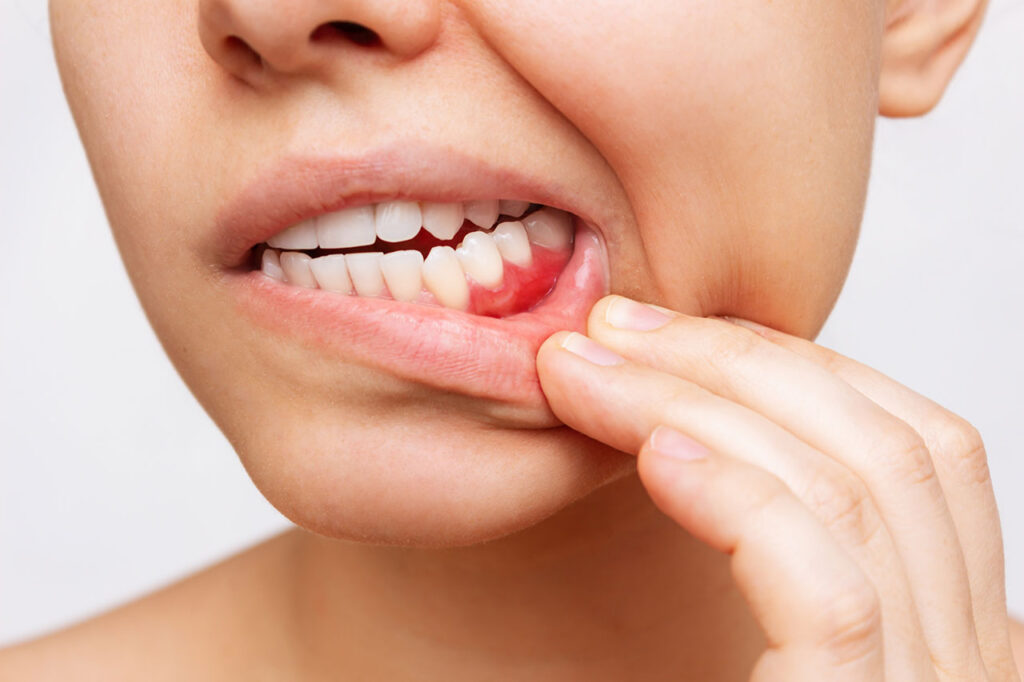
Gum health is the foundation of a strong smile. When gums become inflamed or infected, it can affect not just your teeth but your overall oral health. That is where periodontal therapy at Periodontal Disease care comes in, helping you protect gum tissue, prevent progressive damage, and support long term comfort.
Periodontal therapy refers to a range of treatments designed to manage and reverse the effects of gum disease. Healthy gums help anchor teeth, support chewing function, and keep bacterial infections from moving deeper into bone and surrounding tissues. Understanding how periodontal therapy works and when it is recommended gives you more control over your smile and comfort.
What Is Periodontal Disease
Periodontal disease, sometimes called gum disease, begins with plaque buildup at the gumline. Plaque is a sticky film of bacteria that forms on teeth every day. When not removed, it hardens into tartar that irritates and inflames the gums. The earliest stage is gingivitis, where gums may look swollen, feel tender, and bleed when brushing or flossing. At this stage, changes in home care plus a professional cleaning can often reverse the inflammation.
When bacteria remain under the gumline, pockets can form between gums and teeth. As those pockets deepen, bacteria thrive, and inflammation can spread below the gumline. That chronic inflammation is what periodontal therapy aims to control, protecting bone and gum support for your teeth.
Signs You Might Need Periodontal Therapy
Gum disease often starts quietly, but common signs include:
- Gums that bleed when brushing or flossing
- Red, swollen, tender gum tissue
- Bad breath that does not go away with brushing
- Loose or shifting teeth that feel different when you bite
- Receding gums that make teeth look longer
Even if symptoms seem mild, early evaluation helps your dentist create a treatment plan that prevents more serious issues later on.
How Periodontal Therapy Works
Periodontal therapy is tailored to your specific condition and gum health. Early gingivitis may require improved daily brushing and flossing plus a professional cleaning. For pockets of bacteria under the gumline, a scaling and root planing procedure is often recommended. This deep cleaning gently removes plaque and tartar from below the gumline and smooths the root surfaces so gums can reattach more closely.
The process may take one or more visits and is usually done with local numbing for comfort. Your dentist may also recommend antibiotic therapy in some cases to help clear infection. At follow‑up visits, the team will check pocket depths, gum stability, and healing, adjusting your plan as needed.
Benefits of Periodontal Therapy
Treating gum disease early and effectively has many benefits:
- Reduces gum inflammation and bleeding
- Slows or stops the progression of periodontal disease
- Helps preserve bone that supports teeth
- Improves chewing comfort and bite function
- Reduces bad breath linked to bacterial buildup
- Supports healthier tissues for long term oral care
These benefits help preserve your natural teeth and make daily habits like brushing and eating more comfortable.
Real World Results You Can Feel
Patients who complete periodontal therapy often report less gum bleeding, reduced sensitivity, and more confidence during daily care. Because periodontal therapy targets bacterial buildup where it hides, it helps reduce inflammation that can otherwise lead to discomfort and structural support loss.
Regular monitoring and follow up visits allow your dentist to track improvement, preventing the return of pockets and identifying needs for maintenance cleanings that keep bacteria from accumulating again.
Daily Care That Supports Your Treatment
Periodontal therapy works best when combined with good home care. Effective habits include:
- Brushing teeth twice daily with fluoride toothpaste
- Cleaning between teeth once daily with floss or interdental brushes
- Rinsing with a gentle mouth rinse if recommended
- Avoiding tobacco use, which increases gum disease risk
- Keeping scheduled professional cleanings and exams
Caring for gums daily keeps them healthier between visits and supports the long term benefits of periodontal therapy.
Common Questions About Gum Disease Treatment
Does it hurt? Most periodontal therapy is done with local numbing for comfort. Some gum tenderness is expected afterward, but it usually resolves quickly.
Is periodontal disease reversible? Early stages like gingivitis can return to health. Later stages require periodontal therapy to control infection and prevent progression.
How often should I have maintenance cleanings? Your dentist will recommend a schedule based on your history and gum health, often every three to four months for patients with periodontal concerns.
Planning Your Gum Care
If you notice changes in your gum health or have questions about inflammation or bleeding, an evaluation can provide clarity and direction. Periodontal therapy protects the foundation of your smile, supports a healthier bite, and makes your daily care more effective and comfortable.
Schedule a Consultation with All About Smiles in Rogers, AR, or call (870) 669‑1507 to Book an Appointment and learn how periodontal therapy can protect your smile.